Transformative Weddings: Customizable Ceremonies with a Rabbi

Weddings are a celebration of love, commitment, and the beginning of a new chapter in life. However, the traditional wedding format can sometimes feel restrictive, leaving couples yearning for a more personalized experience. Enter the customizable wedding ceremony led by a rabbi. This approach allows couples to infuse their unique personalities, beliefs, and stories into their special day, creating a truly transformative experience.
In this blog post, we will explore the benefits of customizable wedding ceremonies, the role of a rabbi, and how to create a ceremony that reflects your love story.

Understanding Customizable Wedding Ceremonies
What is a Customizable Wedding Ceremony?
A customizable wedding ceremony is one that is tailored to the couple's preferences, beliefs, and values. Unlike traditional ceremonies that follow a set script, customizable ceremonies allow for flexibility in structure, content, and rituals. This means couples can choose readings, music, and even the order of events that resonate with them.
Why Choose a Customizable Ceremony?
Personal Connection: A customizable ceremony allows couples to express their unique love story. This personal touch makes the ceremony more meaningful and memorable for both the couple and their guests.
Cultural and Religious Integration: Couples can incorporate elements from their cultural or religious backgrounds, creating a ceremony that honors their heritage while also reflecting their individuality.
Flexibility: Customizable ceremonies offer the freedom to choose the location, time, and style of the ceremony. Whether it’s a beach wedding at sunset or a cozy gathering in a backyard, the options are endless.
Inclusivity: For couples from different backgrounds, a customizable ceremony can blend traditions and practices, making everyone feel included and respected.
The Role of a Rabbi in Customizable Ceremonies
Who is a Rabbi?
A rabbi is a Jewish religious leader and teacher who is knowledgeable in Jewish law, tradition, and customs. In the context of weddings, a rabbi serves as the officiant, guiding the couple through the ceremony and ensuring that it aligns with their beliefs.
How a Rabbi Enhances Customizable Ceremonies
Personalized Guidance: A rabbi can help couples navigate the process of creating a personalized ceremony. They can suggest meaningful rituals, readings, and prayers that resonate with the couple’s values.
Cultural Expertise: Rabbis are well-versed in Jewish traditions and can incorporate these elements into the ceremony, ensuring that it is both authentic and meaningful.
Support and Counseling: Many rabbis offer pre-marital counseling, helping couples discuss important topics and strengthen their relationship before the big day.
Ceremony Structure: A rabbi can provide a framework for the ceremony, ensuring that it flows smoothly while still allowing for personal touches.
Crafting Your Customizable Ceremony
Step 1: Define Your Vision
Before diving into the details, take some time to discuss your vision for the ceremony. Consider the following questions:
What themes or values are important to you as a couple?
Do you want to incorporate specific cultural or religious elements?
What type of atmosphere do you envision for your ceremony?
Step 2: Choose Your Officiant
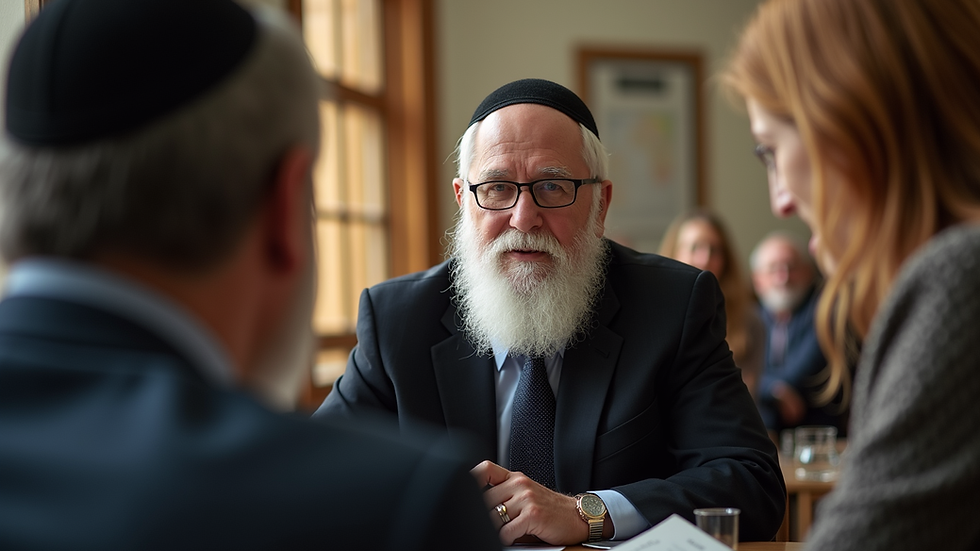
Selecting the right officiant is crucial for a successful customizable ceremony. If you choose a rabbi, look for someone who aligns with your beliefs and understands your vision. Schedule a meeting to discuss your ideas and see if they are a good fit.
Step 3: Personalize the Ceremony Elements
Vows: Write your own vows to express your love and commitment. This is a powerful way to make the ceremony uniquely yours.
Readings: Select readings that resonate with you. These could be poems, excerpts from literature, or passages from religious texts.
Music: Choose songs that hold special meaning for you as a couple. This could include your favorite love songs or traditional pieces that reflect your heritage.
Rituals: Incorporate meaningful rituals, such as the breaking of the glass in Jewish weddings, to symbolize the fragility of relationships and the joy of marriage.
Step 4: Design the Ceremony Flow
Work with your rabbi to create a flow for the ceremony. This includes deciding on the order of events, such as the processional, readings, vows, and any rituals you wish to include.
Step 5: Rehearse
Once you have your ceremony planned, schedule a rehearsal with your officiant. This will help everyone feel comfortable with their roles and ensure that the ceremony runs smoothly on the big day.
Real-Life Examples of Customizable Ceremonies
Example 1: A Beach Wedding
One couple chose to have their wedding on a secluded beach. They incorporated elements of both their Jewish heritage and their love for nature. The rabbi led a ceremony that included traditional blessings, personalized vows, and a sand ceremony where they blended different colored sands to symbolize their union.
Example 2: A Backyard Celebration
Another couple opted for a cozy backyard wedding. They wanted a relaxed atmosphere that reflected their personalities. The rabbi helped them create a ceremony that included a mix of traditional Jewish rituals and personal anecdotes, making it a heartfelt celebration surrounded by family and friends.
Tips for a Successful Customizable Ceremony
Communicate Openly: Keep the lines of communication open with your partner and your officiant. Share your ideas and be receptive to feedback.
Stay True to Yourselves: While it’s important to consider family traditions, ensure that the ceremony reflects your values and beliefs as a couple.
Plan for the Unexpected: Be prepared for anything that may arise on the day of the ceremony. Flexibility is key to enjoying the moment.
Enjoy the Process: Planning a wedding can be stressful, but remember to enjoy the journey. Take time to celebrate your love and the commitment you are making to each other.
Conclusion
Customizable wedding ceremonies led by a rabbi offer couples the opportunity to create a meaningful and personal celebration of their love. By incorporating unique elements that reflect their values and stories, couples can transform their wedding day into a memorable experience that resonates with them and their loved ones.
As you embark on this journey, remember that your wedding is a reflection of your love story. Embrace the process, and let your creativity shine through in every detail. Whether you choose to incorporate traditional rituals or create entirely new ones, the most important thing is that your ceremony feels authentic to you.
Take the first step towards your transformative wedding by reaching out to a rabbi who can help guide you through this beautiful process. Your dream ceremony awaits!

Comments